An NGO in the Philippines is a private, non-profit group that works for the public good, independent of government. Most are registered with the Securities and Exchange Commission (SEC) as non-stock, non-profit corporations. Youth organizations are a related group: clubs, councils and civic groups run by and for young people, usually aged 15 to 30, that can register with their local youth development office under the National Youth Commission. Both work alongside barangays and LGUs on everything from disaster relief to education, and both are always looking for members.
This guide explains the main types, how they are recognized, how they work with local government, and how to find or start one in Capiz.
What counts as an NGO in the Philippines?
"NGO" stands for non-governmental organization. In everyday use it covers foundations, associations, charities and advocacy groups that are not run for profit and not part of government.
The Philippine Constitution gives them a clear place. Article II, Section 23 says "The State shall encourage non-governmental, community-based, or sectoral organizations that promote the welfare of the nation." That is why you'll find NGO representatives sitting on local councils and partnering with agencies on programs.
You'll also hear related terms:
- NGO: a non-profit group that usually serves others, such as a foundation running scholarships or a group providing legal aid.
- PO (people's organization): a group of community members organized around their own interests, such as a fisherfolk association, a farmers' group or a women's association in a barangay.
- CSO (civil society organization): the umbrella term government often uses for NGOs, POs, cooperatives, faith-based groups, professional associations and similar bodies.
Common types of NGOs and youth organizations
- Development NGOs and foundations that run livelihood, health, education or housing programs.
- Humanitarian groups such as the Philippine Red Cross, which handle disaster response, first aid and blood services.
- Environmental groups that work on reforestation, mangroves, coastal clean-ups and waste.
- Faith-based organizations linked to parishes and churches that run outreach and relief.
- School-based youth organizations, from student councils to campus clubs.
- Community-based youth groups in barangays, often working with the Sangguniang Kabataan (SK).
- International civic organizations with local chapters, such as JCI (Junior Chamber International), which is for young people aged 18 to 40 and focuses on leadership through community projects.
How NGOs and youth organizations are recognized
SEC registration for NGOs
An NGO that wants its own legal identity usually incorporates with the SEC as a non-stock, non-profit corporation. Registration gives the group a legal name and lets it open a bank account, sign contracts and receive grants. The SEC handles applications online through its eSPARC system. Requirements and fees change, so check the SEC's current rules as of 2026 before you file. Many small groups operate for years as unregistered associations before they need this step.
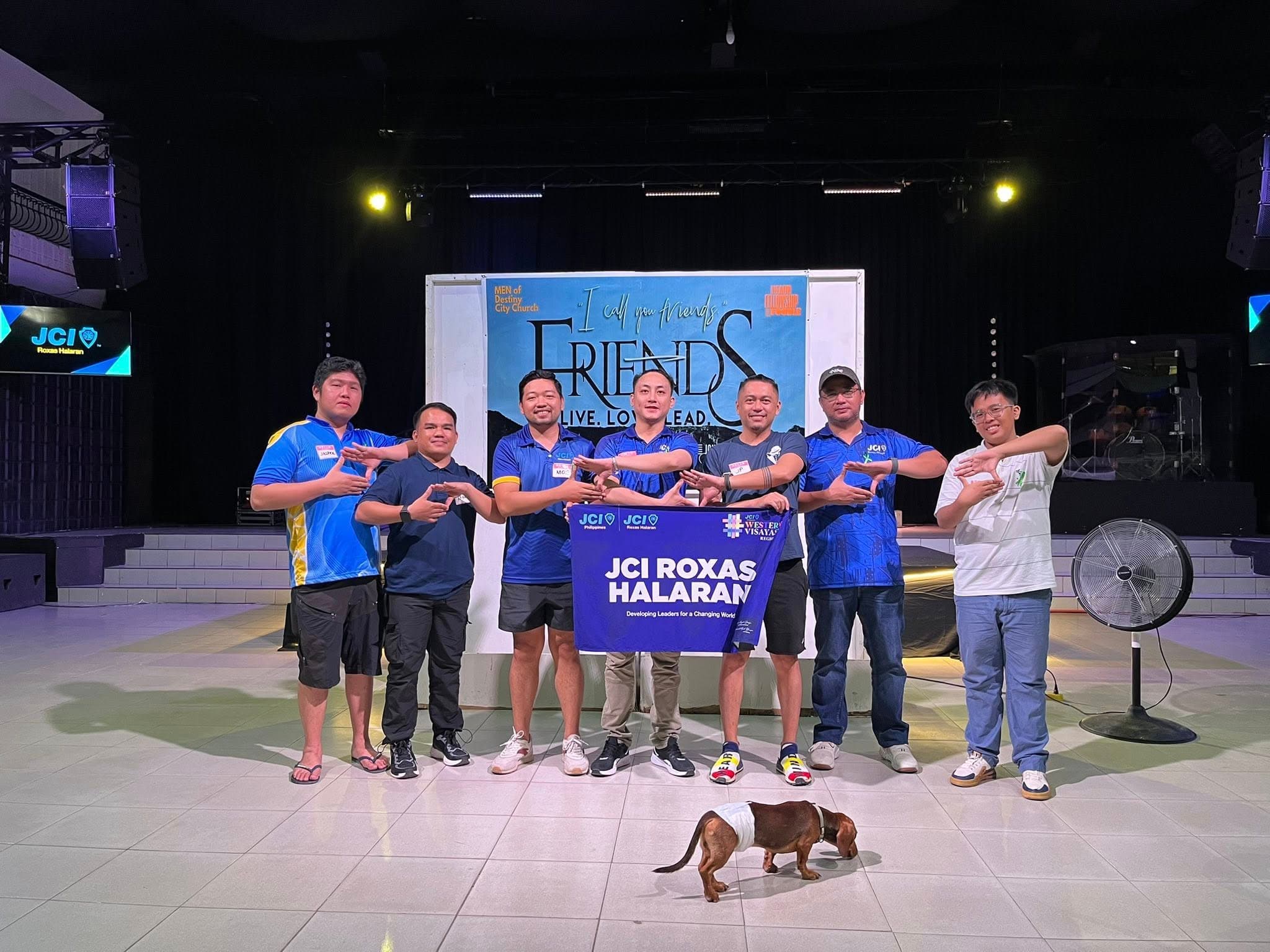
Our own chapter went through this in 2026. At its second-quarter board meeting on April 15, 2026, the JCI Roxas Halaran board approved a resolution to incorporate as JCI Roxas Halaran Inc. with the SEC, with guidance from the chapter's legal counsel. The last step is submitting hard copies to the SEC's Iloilo Extension Office.
PCNC certification for donee status
NGOs that want donors to get tax benefits can apply for certification from the Philippine Council for NGO Certification (PCNC), a private, self-regulating body that evaluates NGOs and foundations. Certified groups can then register with the BIR as donee institutions, which makes qualifying donations deductible for the donor.
Youth organization registration
Philippine law defines youth as people aged 15 to 30. The National Youth Commission runs the Youth Organization Registration Program (YORP). Local and city-based groups usually apply through their city or municipal youth development office, while regional and national groups apply to the NYC. Typical requirements include a registration form, a list of officers and members, a constitution and by-laws, and an endorsement from the barangay or school. Ask your local youth development office for the current list.
How NGOs work with LGUs and barangays
The Local Government Code of 1991 builds NGOs into local governance. It tells local government units to "promote the establishment and operation of people's and non-governmental organizations." It also requires NGO representatives to make up at least one-fourth of each fully organized local development council, from the barangay to the province. The NGOs choose their own representatives, and the local sanggunian accredits them.
For youth groups, the SK Reform Act of 2015 (Republic Act No. 10742) creates a Local Youth Development Council made up of representatives of youth and youth-serving organizations. It also asks the SK to keep a registry of youth organizations in each barangay. Being registered and active is how your group gets a seat at these tables.
In practice, accreditation means your group can be consulted on local plans, invited to partner on programs, and considered for support. It is worth doing once your group has a steady core of members.
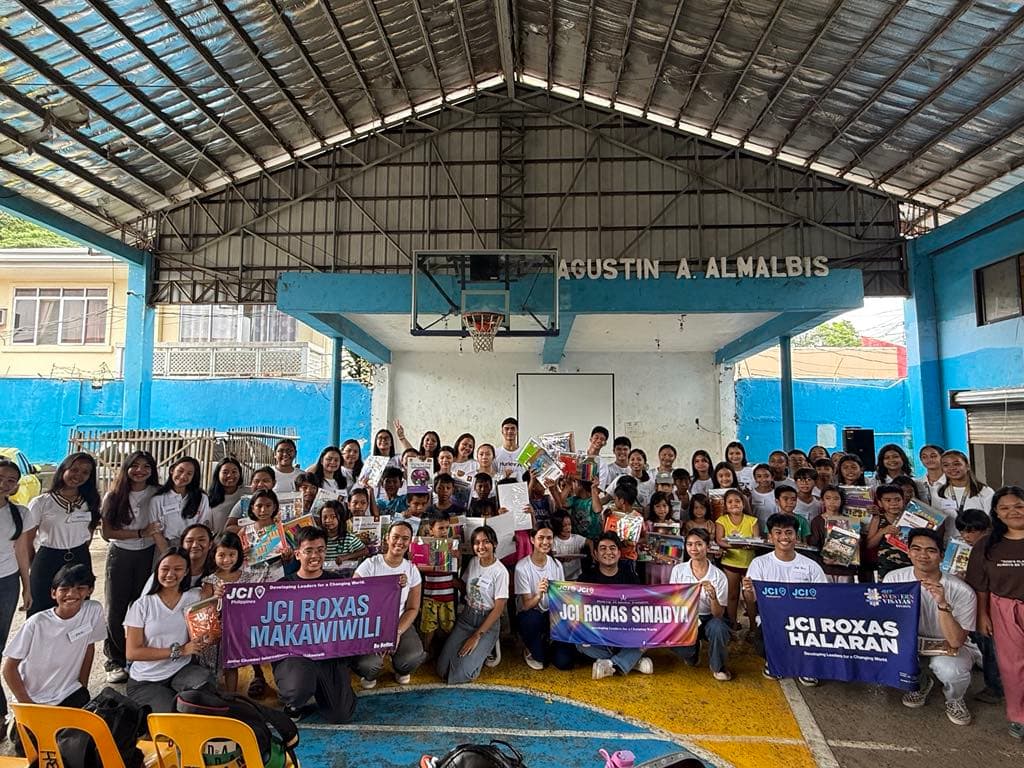
Partnering with a barangay often starts with one project. In April 2026, JCI Roxas Halaran turned over Project G.I.L.L.S. trash traps and solid waste management systems to Brgy. Punta Cogon in Roxas City, with The Tree Huggers Movement giving an awareness talk. Two months later, the chapter ran Coastline Cuts, a free haircut day, with the Brgy. Dumolog council and SK at the Dumolog Covered Court.
Why join an NGO or youth organization?
- Skills you can't learn in class. Planning a project, managing a budget, speaking in public and leading volunteers.
- A network. You meet people across schools, businesses and government offices, which helps with jobs and future projects.
- Real impact. A small group that shows up every month changes more than a big event held once.
- Friends with the same values. Many lifelong friendships start at clean-ups and project meetings.
If you want to try it first, our guide to volunteer opportunities in Capiz and the Philippines lists simple ways to start.
How to choose the right organization
- Check what they actually do. Look at their Facebook page or website. Are there recent activities with photos and reports, or only posters?
- Ask about money. A trustworthy group can tell you how fees and donations are used and who approves spending.
- Look at the leadership. Are officers elected? Do they change regularly? Do new members get a chance to lead?
- Attend one event before you commit. See how members treat each other and the people they serve.
- Match your time. Some groups meet weekly, others monthly. Choose one you can keep up with.
Starting your own youth organization
- Gather a core group who share one clear purpose.
- Write a short constitution and by-laws: name, purpose, membership, officers, meetings and how money is handled.
- Elect officers and keep minutes of your meetings from day one.
- Run one small, well-documented project to show you are active.
- Get an endorsement from your barangay or school, then register with your local youth development office.
- Introduce your group to the SK and barangay council and ask how you can help.
For your first project, our guide to starting community development and our community project proposal sample will save you a lot of time.
Frequently asked questions
Is JCI an NGO?
JCI is a non-profit, non-governmental worldwide federation of young active citizens aged 18 to 40, organized into national organizations and local chapters. JCI Roxas Halaran is a local chapter in Roxas City, Capiz. It is an all-male chapter, open to men aged 18 to 40.
Do NGOs in the Philippines have to register with the SEC?
An NGO needs SEC registration to have its own legal identity as a corporation. Informal community groups can operate without it, but registration is usually needed to receive grants, open a bank account in the group's name or sign contracts.
What age is "youth" in the Philippines?
Under Philippine law, youth are people aged 15 to 30. SK officials must be 18 to 24 on election day.
How can my business support an NGO or youth group?
Sponsor a specific project, donate supplies, offer your venue, or lend your staff's skills. Ask for a clear proposal and a report afterward.
Find your organization
The best NGO or youth organization is one you'll actually show up for. If you're a man aged 18 to 40 and based in or near Roxas City, see our projects, then join JCI Roxas Halaran. Businesses and groups who want to partner with us can reach out through our support page.