If you searched "volunteer Philippines" and want to know where to begin, the easiest place to start is close to home: your barangay, your local Red Cross chapter, a school or parish outreach, or a civic group such as JCI. Most volunteer opportunities in Capiz fall into a few areas: disaster preparedness and relief, the environment, education and youth, health, and community projects. You don't need special skills to begin. You need a few free hours, a willingness to learn, and a group that will train you and use your time well.
This guide covers the main ways to volunteer in the Philippines, where to find opportunities around Roxas City and Capiz, and how to be the kind of volunteer that organizers love to see come back.
What volunteering means in the Philippines
Filipinos have always helped each other. Carrying a neighbor's house in the old bayanihan picture, cooking for a wake, cleaning up after a typhoon: that is volunteering, even if nobody calls it that. In Hiligaynon we simply call it bulig (help).
The law recognizes it too. The Volunteer Act of 2007 (Republic Act No. 9418) defines volunteerism as work done for the public good where money and other rewards are not the main motivation. It also asks national agencies and local government units to set up volunteer programs, and asks schools to build volunteerism into the curriculum. The Philippine National Volunteer Service Coordinating Agency (PNVSCA) is the government body that carries out the law.
December is National Volunteer Month in the Philippines, and the United Nations marks International Volunteer Day every 5 December. Both are good moments to try volunteering for the first time, since many groups hold open activities then.
Volunteer Philippines: the main types of opportunities
1. Disaster preparedness and relief
Capiz sits in the path of typhoons, so disaster work is the most common need. Volunteers pack and distribute relief goods, help at evacuation centers, run preparedness talks, and support first aid teams.
The Philippine Red Cross is the biggest door in. According to its volunteer page, you apply online or at a local chapter, then attend a Basic Volunteer Orientation Course. It also runs the Red Cross 143 program, where one leader and at least 43 members work on disaster risk reduction in their community, and Red Cross Youth for students. Your city or municipal disaster risk reduction and management office may also accept community volunteers. Before your first deployment, read our typhoon preparedness checklist so your own family is ready first.
2. Environment
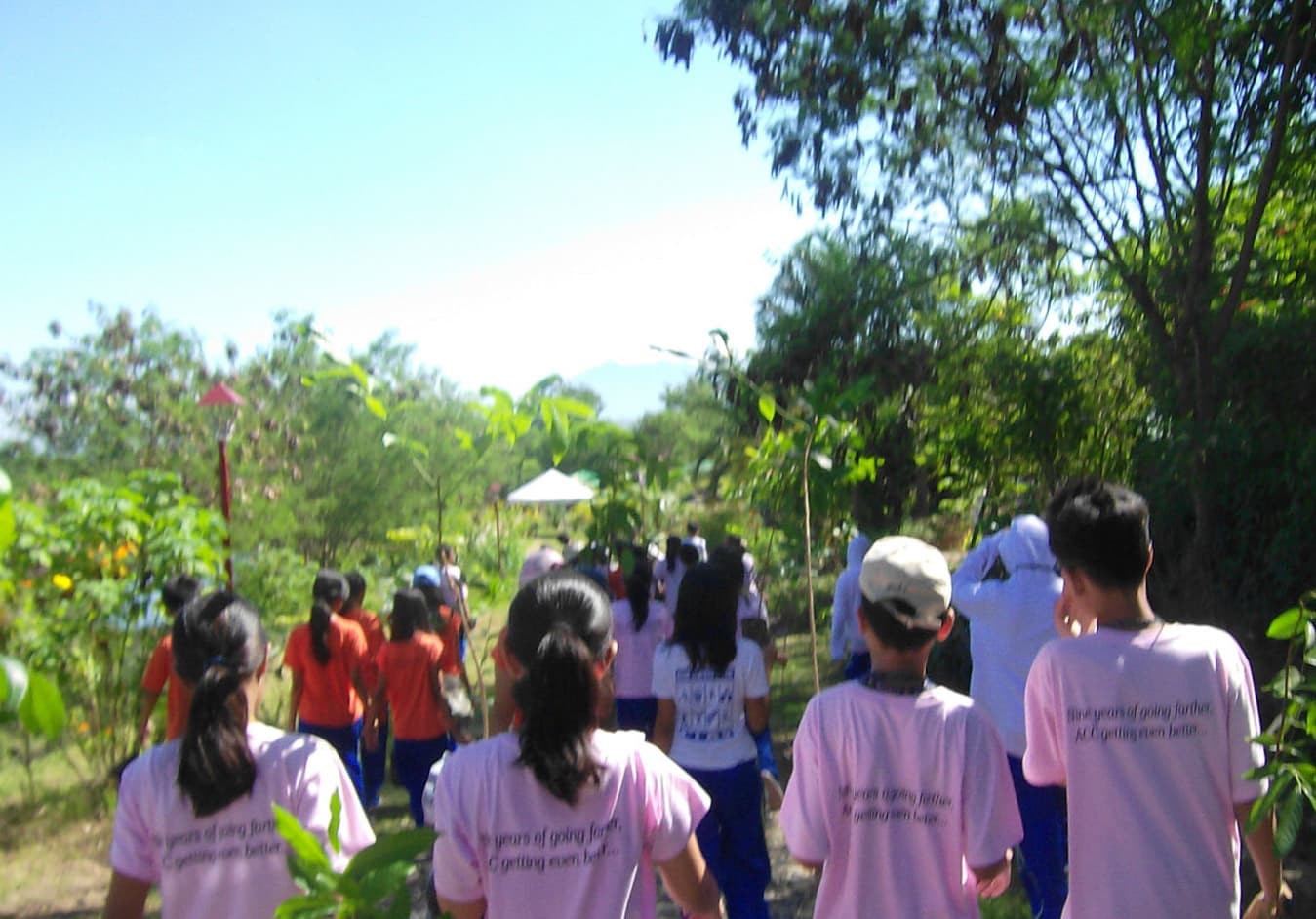
Tree planting, mangrove care, coastal and river clean-ups, and waste segregation drives all need people. Under the Arbor Day Act, every province, city and municipality declares an Arbor Day each year, and many hold public planting activities. If you want to run your own, see our guide on how to organize a tree planting.
3. Education and youth
Tutoring, reading programs, school supply drives, career talks and anti-bullying sessions are simple ways to help. Teachers and Sangguniang Kabataan (SK) officials often know which pupils or barangays need help most.
4. Health and well-being
Medical and dental missions need non-medical volunteers for registration, crowd control and logistics. Blood donation drives need donors and helpers. Mental health talks and peer-support projects are growing, especially for young people and men, who often keep their struggles to themselves.
5. Community and civic projects
Civic organizations, NGOs and youth groups run projects all year: feeding programs, livelihood training, festivals, sports, and leadership seminars. Joining one gives you a steady team and a calendar of activities instead of one-off events. Our guide to NGOs and youth organizations in the Philippines explains the main types.
6. Skills-based and online volunteering
If you are short on time, offer a skill instead. Designers, writers, photographers, accountants and coders can help a small group with posters, reports, bookkeeping or a website, often from home.
Where to find volunteer opportunities in Capiz
- Your barangay hall. Ask the barangay secretary or SK chairperson what activities are coming up. Clean-ups, feeding programs and preparedness drills usually start here.
- City or municipal offices. The social welfare, disaster risk reduction, environment and youth development offices often need extra hands for programs and events.
- The Philippine Red Cross. Apply through the national volunteer page and ask to be connected to the chapter nearest you.
- Schools and universities. Many have extension or community service programs that welcome alumni and outside volunteers.
- Parishes and faith groups. Church-based groups run outreach, relief and feeding programs, especially during calamities and the holidays.
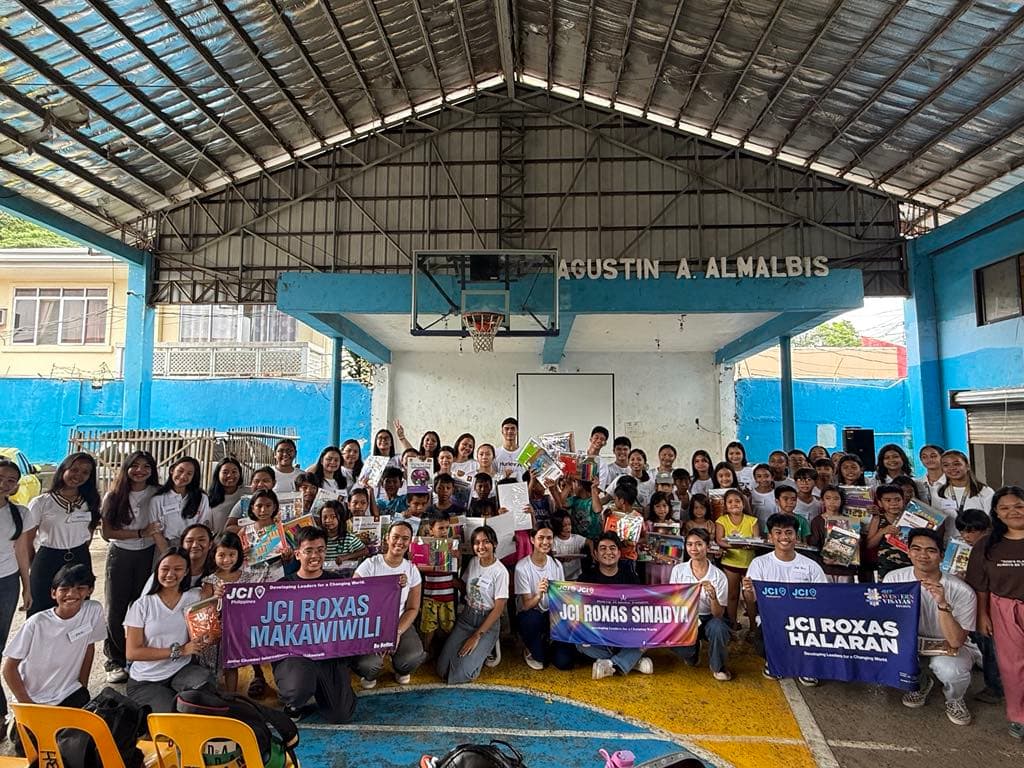
- Civic organizations. Groups like JCI, which is open to young people aged 18 to 40, run projects through the year and train members to lead them.
- Facebook pages. In Capiz, most calls for volunteers are posted on the Facebook pages of LGUs, schools and organizations. Follow the ones near you.
How to start volunteering: five steps
- Pick a cause you care about. You'll stay longer with work that matters to you, whether that's children, the sea, animals or disaster safety.
- Be honest about your time. One Saturday a month that you can keep is better than every weekend for three weeks and then nothing.
- Contact one group and ask how to help. Ask what they need, what training they give, and who you will report to.
- Attend the orientation. Good groups brief new volunteers on safety, rules and what to expect. Take it seriously.
- Show up, then show up again. Reliability is the most valued volunteer skill. After a few activities, you'll be trusted with more.
How to be a good volunteer
- Put safety first. Follow the team leader, wear the right gear, and never go into floodwater or damaged buildings unless you're trained and told to.
- Respect the people you serve. Ask before taking photos, especially of children and families receiving aid. Dignity matters more than a good post.
- Listen more than you talk. Residents know their community best. Ask what they need before deciding what to give.
- Don't create waste. Bring your own water bottle and avoid single-use plastic at clean-ups and relief operations.
- Finish what you start. If you can't come, tell the organizer early so they can find someone else.
Volunteering with JCI Roxas Halaran
JCI Roxas Halaran is the Roxas City chapter of Junior Chamber International, a worldwide network of young active citizens aged 18 to 40. Our members plan and run community projects themselves, so volunteering with us is also hands-on leadership training. The chapter itself is an all-male chapter, open to men aged 18 to 40.
A few recent examples of what volunteering with us looks like:
- Coastal clean-up and feeding: on February 28, 2026, the chapter worked with Filamer Christian University NSTP students on a coastal clean-up in Baybay, followed by Hot Meals on Wheels for residents.
- School support: through Bags of Hope 2026, the chapter gave every student at Balaring Elementary School in Ivisan a school bag with learning materials, plus textbooks and two electric fans for the faculty.
- Clean water: the Blue Flow Initiative, launched online on June 24, 2026, invited viewers to sign up as "Water Guardians" for an area-wide clean water and sanitation campaign.
We also volunteer alongside other groups. In 2026 we joined CaPENRO's Provincial Arbor Day planting and supported Sampukanay, a dance battle organized by StreetKingz Fam - SJR. Our own projects include Coastline Cuts and the "Be a Friend, Not a Bully" anti-bullying project. Most of our events are open to guests, so you can join one before deciding on membership. Learn more in What is JCI?
Frequently asked questions
Can I volunteer in the Philippines without experience?
Yes. Most volunteer roles need no experience. Good organizations give a short orientation and pair new volunteers with experienced ones. Specialized roles, such as first aid or rescue, need training first.
Do volunteers in the Philippines get paid?
No. Volunteering is unpaid by definition, though some groups cover meals, transport or insurance during activities. If a "volunteer" role charges you a large fee, ask exactly what the money pays for.
Is there an age limit for volunteering?
It depends on the group. The Philippine Red Cross says it has no maximum age limit. JCI membership is for ages 18 to 40, and JCI Roxas Halaran is open to men aged 18 to 40. Minors can usually join school-based or youth programs with a parent's consent.
When is National Volunteer Month in the Philippines?
December. It ends the year with many open activities and includes International Volunteer Day on 5 December.
Find your first volunteer activity
You don't need to change the world this weekend. Just say yes to one activity, show up on time, and see how it feels. If you live in or near Roxas City, browse our projects to see what we've been doing, and if you're a man aged 18 to 40, join JCI Roxas Halaran and help us plan the next one.