Typhoon preparedness means getting your family, home and documents ready before a storm comes: knowing the PAGASA warning signals, packing a go bag with at least three days of supplies, planning where you will evacuate, and following your barangay and city disaster office. For families in Roxas City and across Capiz, where storms like Yolanda in 2013 and Ursula in 2019 caused heavy damage, a simple plan made on a calm day can save lives and property when the bagyo (typhoon) arrives.
Use this checklist with your household. Print it, stick it on the ref, and review it at the start of every rainy season.
Why typhoon preparedness matters in Capiz
According to PAGASA's tropical cyclone information, an average of about 20 tropical cyclones enter the Philippine Area of Responsibility every year, and around 8 or 9 of them cross the country. The peak months are July to October, but storms can come at any time. Typhoon Ursula, for example, hit Panay in December 2019, and Capiz declared a state of calamity afterward.
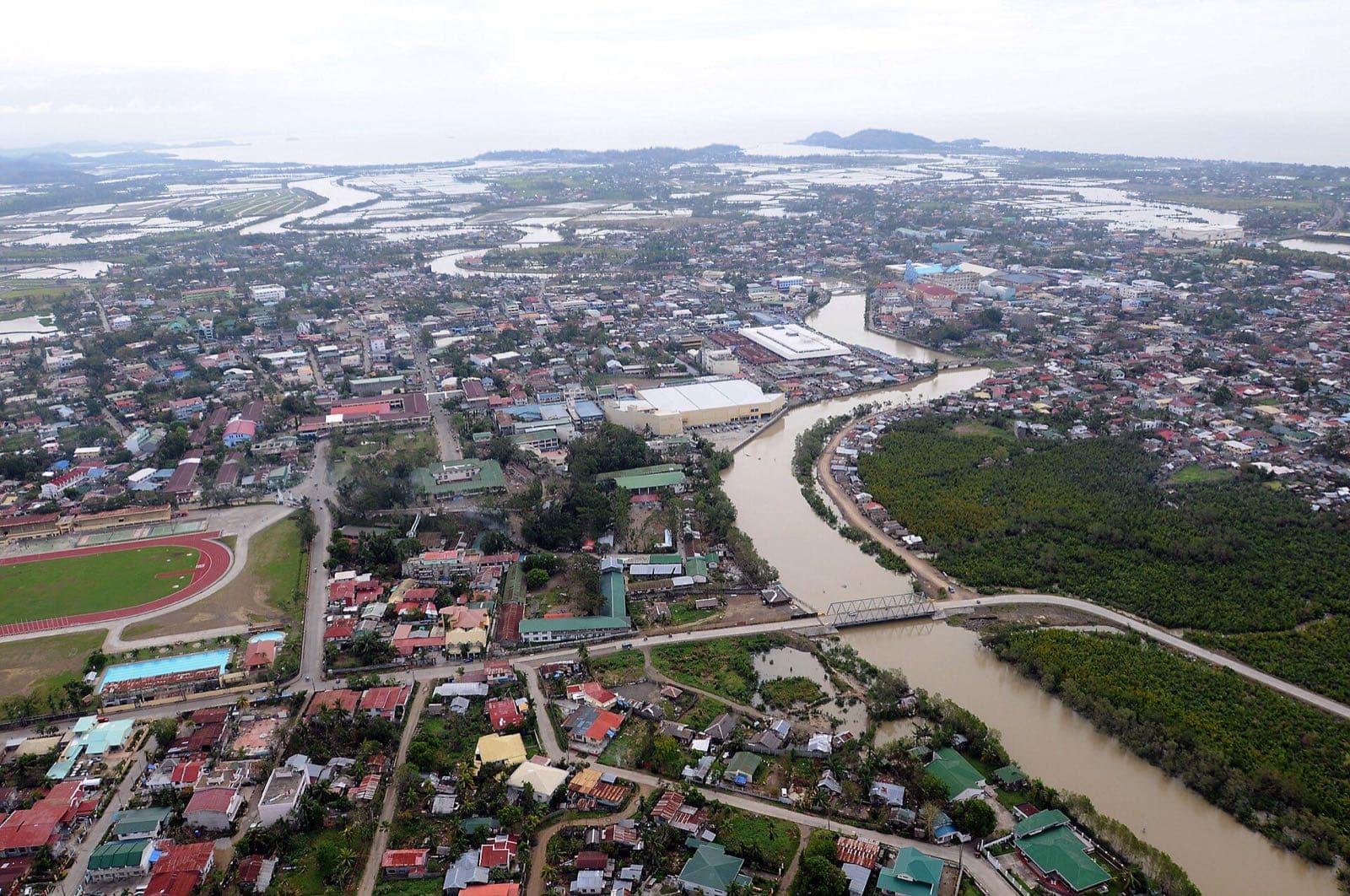
Roxas City sits on the coast and along the Panay River, so families here face strong winds, flooding and, in coastal barangays, storm surge. Fisherfolk and fishpond operators also risk losing boats and stock. Preparing early protects both lives and livelihoods.
Know the warning signals
Tropical Cyclone Wind Signals
PAGASA uses five Tropical Cyclone Wind Signals. A higher number means stronger winds and less time to prepare:
- Signal No. 1: winds of 39–61 km/h expected within 36 hours. Minimal to minor damage. Finish your preparations.
- Signal No. 2: winds of 62–88 km/h expected within 24 hours. Minor to moderate damage; loose objects can fly. Secure your home and be ready to evacuate.
- Signal No. 3: winds of 89–117 km/h expected within 18 hours. Substantial damage to light structures. Evacuate if your home is unsafe or your area is told to.
- Signal No. 4: winds of 118–184 km/h expected within 12 hours. Severe damage; flying debris is life-threatening. Stay in a sturdy shelter.
- Signal No. 5: winds of 185 km/h or more expected within 12 hours. Severe to catastrophic damage. Stay sheltered until authorities say it is safe.
Rain and storm surge warnings
Wind signals only cover wind. PAGASA issues separate rainfall warnings (yellow, orange and red, with red the most serious) and storm surge warnings for coastal areas. Heavy rain from a weak storm, or even the monsoon, can still flood low-lying barangays, so watch all three.
Before typhoon season: the household checklist
Make a family plan
- Agree on where you will go if you need to evacuate: your barangay's evacuation center, or a relative's sturdy house on higher ground.
- Choose a meeting place in case family members are separated.
- Write down emergency numbers and keep a paper copy. Phones die.
- Assign tasks: who brings the go bag, who takes care of grandparents, children, persons with disabilities and pets.
- Know your barangay officials and how they announce evacuations.
Prepare your home
- Check the roof and tie down or reinforce loose GI sheets.
- Trim branches near your house and power lines.
- Clear drainage canals around your home.
- Identify the main power switch and learn how to turn it off.
- Keep plastic sheets, rope, nails and a hammer for quick repairs.
Protect your documents
- Put birth and marriage certificates, land titles, IDs, insurance and medical records in sealed plastic envelopes.
- Take photos of important documents and save them to a cloud account or send them to a trusted relative.
Go bag checklist
Every household should have a waterproof go bag that anyone in the family can carry. Pack enough for at least three days. This list is based on UNICEF Philippines' Emergency Go-Bag checklist and government guidance.
Food and water
- Drinking water in sealed containers
- Ready-to-eat food that will not spoil: canned goods (with a can opener), biscuits, crackers
- Milk and food for babies, if needed
Health and first aid
- First aid kit: bandages, antiseptic, rubbing alcohol, tweezers
- Maintenance medicines for at least a week
- Medicine for fever, cough, colds and diarrhea
- Face masks, soap, toothbrush and toothpaste
- Sanitary pads, diapers and wet wipes
- Mosquito repellent
Tools and supplies
- Flashlight with extra batteries, or a crank flashlight
- Fully charged power bank
- Battery-powered or crank radio
- A whistle for each family member
- Raincoat, rope, candles and matches in a waterproof bag
- Blanket, spare clothes and slippers
- Notebook and pen
Documents and cash
- Copies of IDs and important documents in a sealed envelope
- Cash in small bills and coins, since ATMs and e-wallets may be down
- List of emergency contacts and barangay or city hotlines
- An ID card for each child with their name, blood type and a parent's number
When a storm is coming (Signal No. 1 or 2)
- Follow PAGASA updates on the radio, TV or official social media pages. Avoid sharing unverified posts.
- Charge phones, power banks and flashlights.
- Store extra water in clean containers.
- Bring loose items indoors: plants, chairs, laundry, signs.
- Fisherfolk: do not go out to sea. Bring boats ashore and tie them down. Secure fishpond gates and nets where possible.
- Move valuables, appliances and documents to higher shelves or the second floor.
- Check on elderly neighbors and families with small children or persons with disabilities.
- If you live in a low-lying, riverside or coastal area, or in a light house, prepare to evacuate early. Do not wait for the water to rise.
During the typhoon
- Stay indoors, away from windows and glass doors.
- If told to evacuate, go immediately. Bring your go bag and turn off the main power switch.
- Do not wade through floodwater. It can hide open drains and carry live wires and leptospirosis bacteria.
- Stay away from rivers, the seashore and fallen power lines.
- Be careful during the "eye" of the storm. A sudden calm does not mean the typhoon is over; strong winds can return from the other direction.
- Use your phone only for important calls and messages to save battery.
After the typhoon
- Wait for the official all-clear before going home.
- Check your house for damage before entering. Watch for loose roofing, weak walls and snakes.
- Do not touch fallen power lines. Report them to your electric cooperative.
- Boil drinking water or use safe bottled water until supply is declared safe.
- Throw away food that was soaked in floodwater.
- If you waded through floodwater, watch for fever and muscle pain and see a doctor early.
- Take photos of damage for assistance and insurance claims.
- Check on neighbors and help where you can. Recovery is faster when the community works together. In Hiligaynon, bulig-bulig: helping one another.
Emergency numbers to save
- National emergency hotline: 911
- Roxas City emergency response (CERT): (036) 522-7878, as listed on the Roxas City government website
- Your barangay hall and barangay captain
- Your electric cooperative, nearest hospital and fire station
- Family members outside Capiz who can relay news
Numbers can change, so confirm them with your barangay or the city's official pages at the start of each season.
Frequently asked questions
What is typhoon preparedness?
Typhoon preparedness is everything a family or community does before a storm to reduce harm: making a plan, preparing a go bag, securing the home, knowing the warning signals and knowing when and where to evacuate.
What should be in a go bag?
At least three days of water and ready-to-eat food, a first aid kit and medicines, a flashlight, power bank, radio and whistle, rain gear, spare clothes, copies of important documents, cash and a list of emergency numbers.
When should I evacuate?
Evacuate when your barangay or city disaster office tells you to, and earlier if you live near the river or the sea, in a flood-prone area or in a light house. Leaving early in daylight is much safer than escaping rising water at night.
What does Signal No. 1 mean?
It means winds of 39–61 km/h are expected within 36 hours. Damage is usually minimal, but it is your signal to finish preparations.
Prepare together
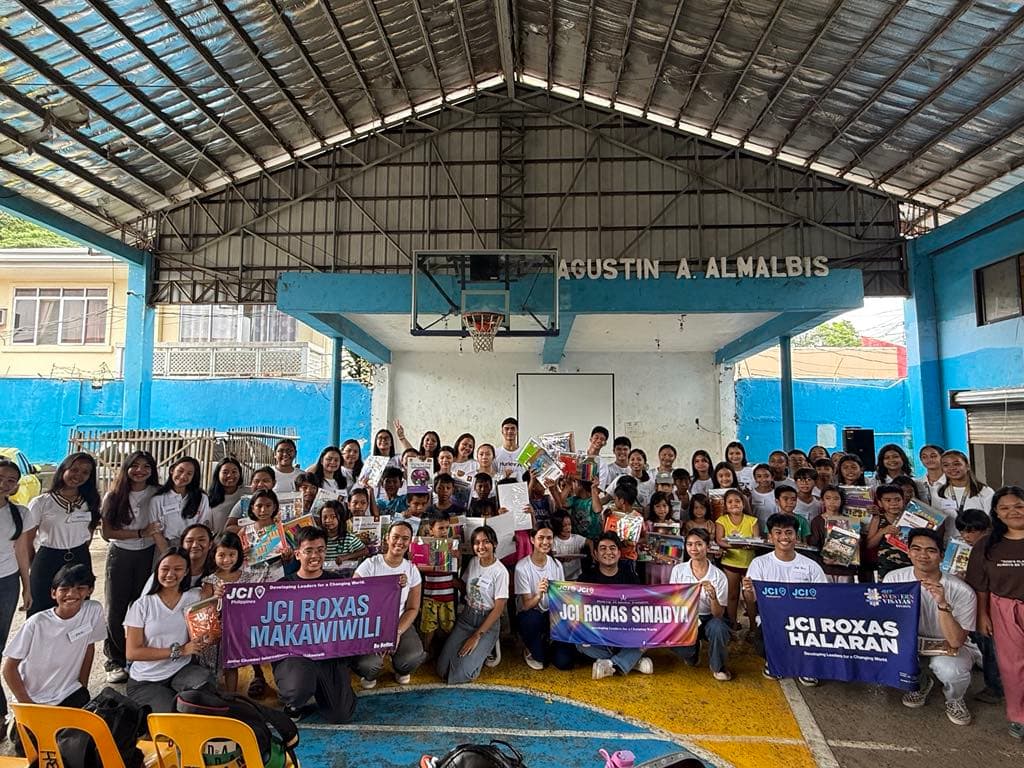
Disaster readiness is a community job, and recovery depends on neighbors helping neighbors. When storms hit, JCI Roxas Halaran runs Oplan Kaagapay, a donation drive for affected families. In October 2025, after Typhoon Ramil flooded parts of Roxas City, the chapter collected cash and in-kind donations from October 19 to 24, with a drop-off point at Capa Dance Academy. Earlier drives supported families hit by Typhoon Carina in July 2024 and Typhoon Kristine in Bicol in October 2024.
JCI Roxas Halaran members are young active citizens who believe in helping our neighbors before, during and after hard times. Join the chapter, explore our projects, or check our resources page for free templates that can help you plan a community activity in your barangay. Planning a trip to the province instead? Read our Roxas City, Capiz guide and our list of Capiz tourist spots for safe travel tips.