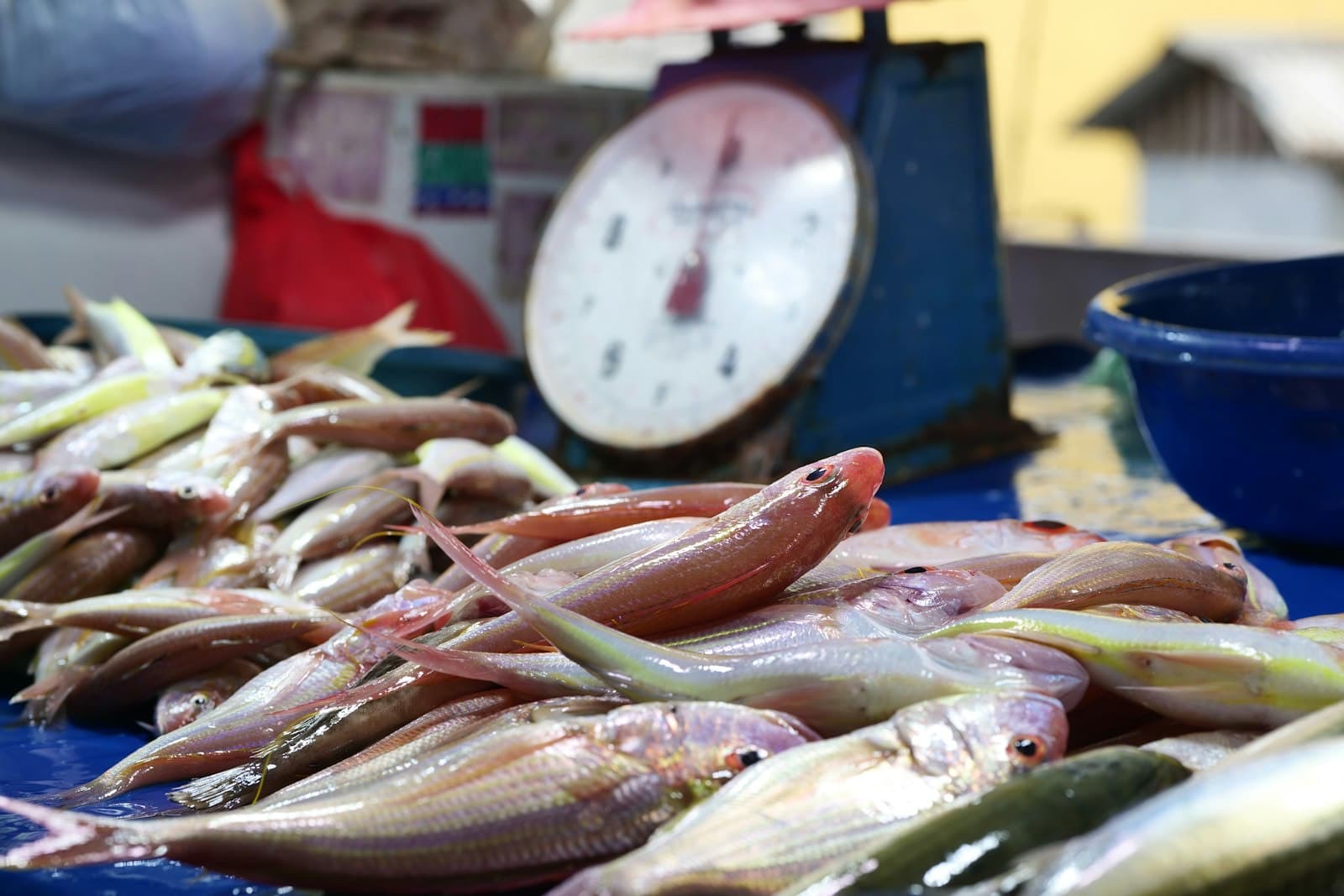
Roxas City in Capiz is known as the Seafood Capital of the Philippines because of its rich fishing grounds in the Sibuyan Sea, its rivers and estuaries, and the fishponds and shellfish farms around it, which supply oysters, mussels, crabs, prawns, milkfish and fish to tables across Panay and beyond. The city government uses the title on its own official website, and the whole province of Capiz shares it. It is less an official ranking than a proud identity, built on generations of fishing families and a food culture that revolves around the sea.
Here is where the name comes from, what to eat when you visit, and why keeping the title means caring for the sea that earned it.
Why Roxas City is called the Seafood Capital of the Philippines
The sea and the river meet here
Roxas City sits on the north coast of Panay Island, facing the Sibuyan Sea, where the Panay River reaches the coast. Fresh water from the river mixes with salt water from the sea, creating brackish estuaries and mangrove areas. These are natural nurseries for fish, crabs and shellfish, and they are ideal for aquaculture.
A province of fishponds and shellfish farms
Much of the province's seafood does not come from the open sea but from fishponds and coastal farms. Capiz's provincial agriculture office has listed milkfish (bangus), prawns, mud crabs, oysters, mussels, seaweed and grouper among the main marine products. Oyster and mussel farming is especially strong in coastal towns around Sapian Bay, such as Ivisan and Sapian.
A food culture built around the catch
The title also reflects how people eat. In Roxas City, seafood is everyday food, not a special-occasion splurge. Families grill fish on weekends, oysters are sold by the bucket, and visitors come for seafood dinners by the beach. Even the province's April Capiztahan festival has featured the Surambaw Seafood Feast, as GMA News reported in 2024.
Is it an official title?
It is best understood as a nickname and a brand. The City of Roxas proudly displays "The Seafood Capital of the Philippines" on its official website, and tourism writers have used it for years. But it is not a ranking based on national production statistics.
In fact, a 2021 study titled "Roxas City, the seafood capital of the Philippines: Myth or fact?", archived by Capiz State University, looked at national fisheries statistics from 2007 to 2017 and found that Capiz was not among the top-producing provinces by total volume and value. It did find growth in aquaculture. The lesson is not that the title is false, but that it is something the city has to keep earning through better fisheries, cleaner waters and stronger livelihoods for fisherfolk.
What to eat in Roxas City
- Talaba (oysters): Cheap, plentiful and usually eaten fresh, steamed or grilled.
- Tahong (mussels): Often cooked in a simple broth with ginger or baked with garlic and cheese.
- Diwal (angel wing clam): A Capiz specialty with a sweet, delicate flavor. It became scarce for a time, which is why it is now so closely watched and celebrated.
- Alimango and alimasag (mud crabs and blue crabs): Steamed, or cooked in coconut milk or chili.
- Prawns and shrimp: Grilled, buttered or in sinigang.
- Bangus (milkfish): Grilled with tomatoes and onions, or deboned and fried for breakfast.
- Squid and fresh fish: Grilled over charcoal (sinugba) or in a sour broth.
- Dried fish (uga): A favorite pasalubong to take home.
A Hiligaynon word you will hear at every table: namit, which means delicious.
Where to eat and shop for seafood
- Baybay Beach: The seashore district is lined with seafood restaurants and grills. Come at sunset. Read more in our guide to Capiz tourist spots.
- People's Park in Baybay: Often described as the city's version of a dampa, where you pick fresh seafood and have it cooked.
- Banica: Known for its stalls selling dried fish and other seafood products, a good stop for pasalubong.
- The public market: Go early in the morning for the freshest catch and the best prices.
- Festival food fairs: During December's Sinadya festival and April's Capiztahan, food fairs bring local cooks and seafood stalls together. See our Halaran festival guide.
Prices change with the season and the weather, so ask before you order, especially for crabs and prawns sold by weight.
Eating seafood responsibly
Being the Seafood Capital also means looking after the sea. A few habits help:
- Check for red tide. Coastal waters in Capiz have been placed under shellfish bans from time to time because of red tide (paralytic shellfish poisoning). Before eating oysters, mussels or other shellfish, check the latest shellfish bulletin from the Bureau of Fisheries and Aquatic Resources (BFAR) or local advisories. During a ban, fish, squid, shrimp and crabs are generally considered safe if fresh and properly cleaned, but shellfish from affected areas are not.
- Buy local and in season. Ask vendors where the catch came from. Buying directly from local fisherfolk keeps money in the community.
- Avoid undersized catch. Small crabs and juvenile fish should be left to grow and breed.
- Say no to single-use plastic. Bring your own bag to the market and keep trash off the beach. Much of the plastic that ends up in the sea starts on land.
- Support mangroves. Mangroves protect the coast from storm surges and shelter young fish. Mangrove parks and planting activities are a good way to give back.
Typhoons also hit seafood livelihoods hard. After Typhoon Ursula struck Capiz in December 2019, milkfish fry were distributed to help fishpond operators restart. Our typhoon preparedness checklist includes tips for families who depend on the sea.
Frequently asked questions
Which city is the Seafood Capital of the Philippines?
Roxas City, the capital of Capiz on Panay Island, is the city best known by that name. The province of Capiz as a whole is also called the Seafood Capital of the Philippines.
What seafood is Roxas City famous for?
Oysters, mussels, crabs, prawns, milkfish, squid and the local angel wing clam called diwal. Dried fish is a popular pasalubong.
Is it safe to eat shellfish in Capiz?
Usually, yes, but red tide can make shellfish from some areas unsafe for a time. Always check the latest BFAR shellfish bulletin or local advisories before eating oysters, mussels or clams.
When is the best time to visit for seafood?
Seafood is available all year. Many visitors time their trip with the Capiztahan festival in April or the Sinadya festival in December, when food fairs are part of the celebration.
Help protect the sea that feeds us
The sea is part of who we are in Roxas City, and it is close to our chapter's heart too. On June 23, 2026, JCI Roxas Halaran held "Sa Dagat: Kabuhi Mo, Kabuhi Ko!" on the Baybay Beach shoreline as a highlight of Barangay Baybay's San Juan Festival. Its Lumba-anay sa Baybay was a boat race for Baybay fisherfolk in 7 HP, 12 HP and 16 HP engine divisions, with the Philippine Coast Guard, Roxas City DRRMO and Philippine Red Cross on safety and a new 16 HP engine given away in a raffle. For Pinta Baruto, eight local artists painted two fiberglass boats donated by the Kiwanis Club of Roxas City.
Keeping trash out of the water matters too. In April 2026, the chapter turned over Project G.I.L.L.S. (Guiding Initiatives for Litter-Less Spaces) trash traps and solid waste management systems to Brgy. Punta Cogon.
Want to help? Join JCI Roxas Halaran or support our work, and bring your appetite for seafood and for service.