Bonifacio Day is a Philippine regular holiday held every November 30, the birth anniversary of Andres Bonifacio (1863–1897), the founder and Supremo of the Katipunan, the secret society that started the 1896 revolution against Spain. Unlike most heroes' days, it marks his birth, not his death. It has been a legal holiday since 1921, and the exact observance date each year is set by presidential proclamation.
This guide covers who Bonifacio was, how November 30 became a holiday, what the day means for workers and employers, and simple ways young Filipinos in Capiz and across the country can mark it.
Who was Andres Bonifacio?
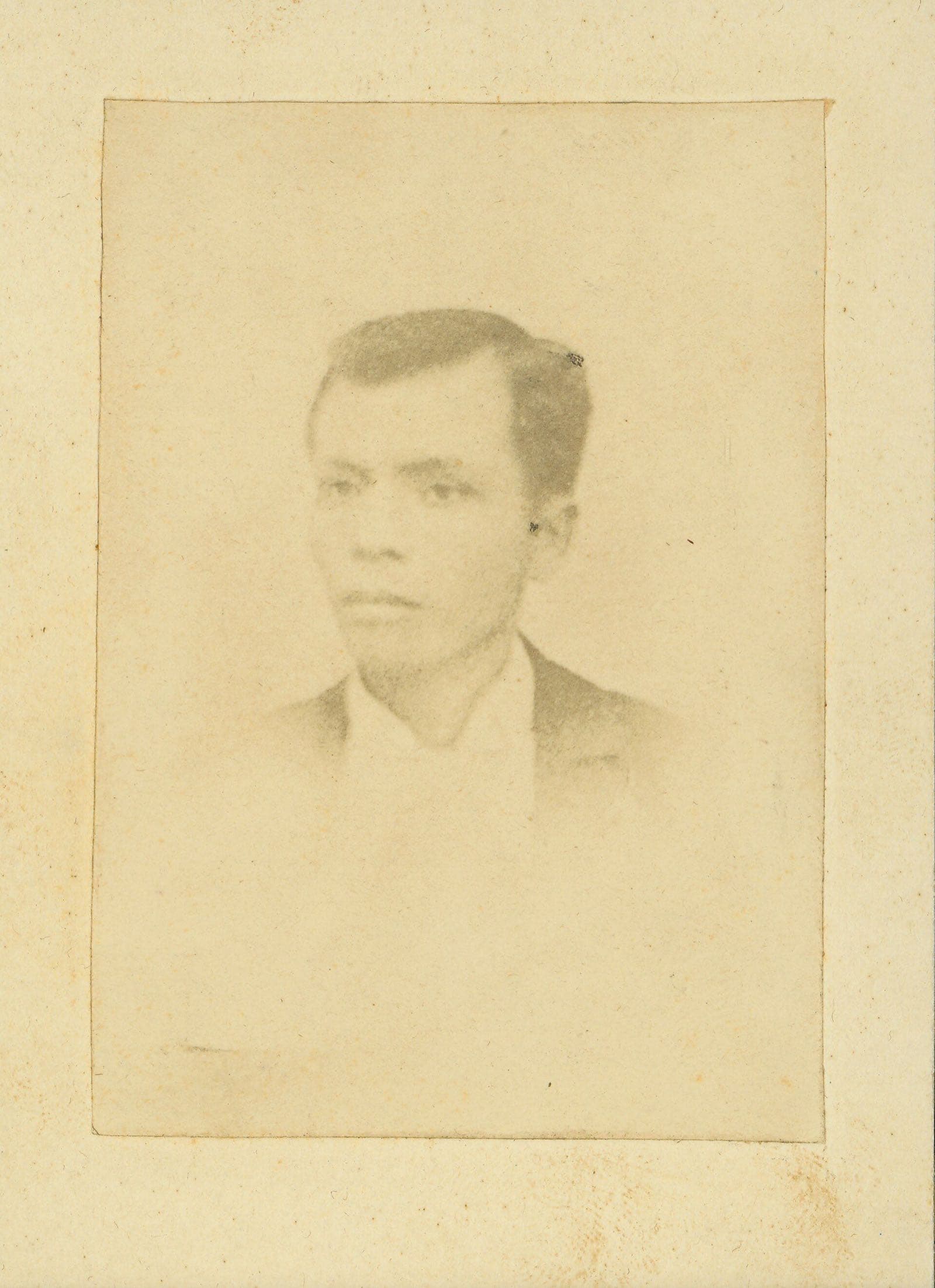
Andres Bonifacio was born on November 30, 1863, in Tondo, Manila. He lost both parents as a teenager and went to work to support his younger siblings. He sold canes and paper fans, and later worked as a clerk and agent for foreign trading firms in Manila.
He did not finish formal schooling, but he read widely. Books on the French Revolution, the lives of world leaders and the novels of Jose Rizal shaped his ideas about freedom and self-rule. He also took part in amateur theater, which helped him speak to ordinary people in a language they understood.
The Katipunan
In July 1892, Rizal founded La Liga Filipina, a civic group that pushed for reform. Bonifacio joined. Days later, Spanish authorities arrested Rizal and sent him into exile in Dapitan. Reform through peaceful means seemed closed.
On the night of July 7, 1892, Bonifacio and a few companions founded the Kataastaasan, Kagalanggalangang Katipunan ng mga Anak ng Bayan (Highest and Most Honorable Society of the Children of the Nation), better known as the Katipunan or KKK. Its goal was independence by armed struggle. Members signed in blood and used code names. Bonifacio became its Supremo, or supreme leader.
The revolution and his death
When the Spanish discovered the society in August 1896, Bonifacio and his followers tore their cedulas (community tax certificates) as a sign of revolt. That moment, remembered as the Cry of Pugad Lawin, began the Philippine Revolution.
The revolution soon split into rival factions in Cavite. At the Tejeros Convention in March 1897, Emilio Aguinaldo was elected president of a new revolutionary government. Bonifacio rejected the result. He was later arrested, tried by a revolutionary court and executed with his brother Procopio on May 10, 1897, in the mountains of Maragondon, Cavite. He was 33.
Historians still debate the events of 1897. What is not in doubt is that Bonifacio built the movement that turned scattered resentment into an organized fight for a free nation.
How Bonifacio Day became a holiday
The holiday is older than many people think. On February 16, 1921, during the American colonial period, Act No. 2946 made "the thirtieth of November" a legal holiday. The law did not name Bonifacio directly, but the date was chosen for his birthday.
Later laws kept it on the calendar:
- Executive Order No. 203 (1987) listed Bonifacio Day, November 30, among the regular holidays.
- Republic Act No. 9492 (2007), the "holiday economics" law, allowed some holidays to be moved to the nearest Monday to create long weekends.
- Yearly proclamations now set the exact date. For 2026, Proclamation No. 1006 lists Bonifacio Day as a regular holiday on Monday, November 30.
Because the government can move the observed date, always check the current year's proclamation before you plan events or payroll.
Bonifacio Day vs National Heroes Day
People often mix these up. National Heroes Day falls on the last Monday of August and honors all Filipino heroes, known and unknown. Bonifacio Day on November 30 honors one man. Both are regular holidays.
Some historians and groups have argued that Bonifacio, not Rizal, should be called the national hero. In fact, no law officially names any single person as the national hero. Rizal and Bonifacio are both honored with their own regular holidays, the only two heroes with that distinction. You can read about the other one in our guide to Rizal Day on December 30.
Holiday pay on Bonifacio Day
Since Bonifacio Day is a regular holiday, private-sector holiday pay rules apply. Based on the Department of Labor and Employment's labor advisory for November 2026, as reported by the Daily Tribune:
- If you do not work: you still get 100% of your daily wage, as long as you were present or on paid leave on the workday before the holiday.
- If you work: you get 200% of your daily wage for the first eight hours.
- Overtime: an extra 30% of your hourly rate on that day.
- If it is also your rest day: an extra 30% on top of the 200% rate.
These figures are as of 2026. DOLE issues an advisory before each holiday, so check the latest one, especially if you run a small business. Our guide to entrepreneurship in the Philippines has more on running a business the right way.
Ways to observe Bonifacio Day
Bonifacio Day can be more than a long weekend. Here are simple ideas for students, families, barkadas and youth groups.
- Join your local flag ceremony. Many LGUs and schools hold flag-raising and wreath-laying rites. Show up early and bring the kids.
- Read Bonifacio's own words. His poem "Pag-ibig sa Tinubuang Lupa" (Love for the Native Land) is short and moving. Read it aloud with your family or group.
- Talk about the Katipunan's values. The Kartilya ng Katipunan, the society's code of conduct written by Emilio Jacinto, teaches honesty, respect and service. Discuss one rule a day in your team.
- Do one act of service. Bonifacio was a working man who organized ordinary people. Honor that by helping in your barangay: a clean-up, a feeding program or a donation drive. Our list of volunteer opportunities in Capiz and the Philippines can help you start.
- Support local workers. Buy from a sari-sari store, a market vendor or a small Capiz business that day.
What Bonifacio teaches young leaders today
Bonifacio's life speaks loudly to young Filipinos. He had no title, no wealth and no diploma. What he had was conviction and the ability to bring people together around a shared goal. In Hiligaynon we might call it kaisog, or courage: the willingness to act when it is hard.
Three lessons stand out:
- Leadership is earned, not given. Bonifacio rose by organizing, recruiting and serving, not by birthright.
- Learning never stops. He taught himself through reading. Any young person with a library card or a phone can do the same.
- Unity matters. The divisions of 1897 cost the revolution dearly. Groups that argue in public and fail to resolve conflict weaken their cause.
For more on what makes a leader worth following, see our piece on the qualities of a good leader.
Frequently asked questions
Is Bonifacio Day a regular holiday or a special holiday?
It is a regular holiday. Workers who report for work get double pay for the first eight hours, and those who do not work still get their daily wage if they meet the attendance rule.
Why is Bonifacio Day on his birthday and not his death anniversary?
The 1921 law set the holiday on November 30, his birth date. His death on May 10, 1897, came at the hands of fellow revolutionaries, a painful chapter that the nation chose not to make the focus of the holiday.
Can Bonifacio Day be moved to another date?
Yes. Under Republic Act No. 9492, the President can move the observed date by proclamation. The government announces the official list of holidays for each year in advance.
What did Bonifacio write?
His best-known work is the poem "Pag-ibig sa Tinubuang Lupa." He also wrote "Ang Dapat Mabatid ng mga Tagalog" (What the Tagalogs Should Know), a short essay calling Filipinos to unite against colonial rule.
Lead like a Katipunero
Bonifacio proved that ordinary young people can change the course of a nation when they organize around a purpose. JCI Roxas Halaran gives young Capiznon men, aged 18 to 40, that same chance to lead, serve and grow. Join JCI Roxas Halaran or browse our community projects to see where you can help.