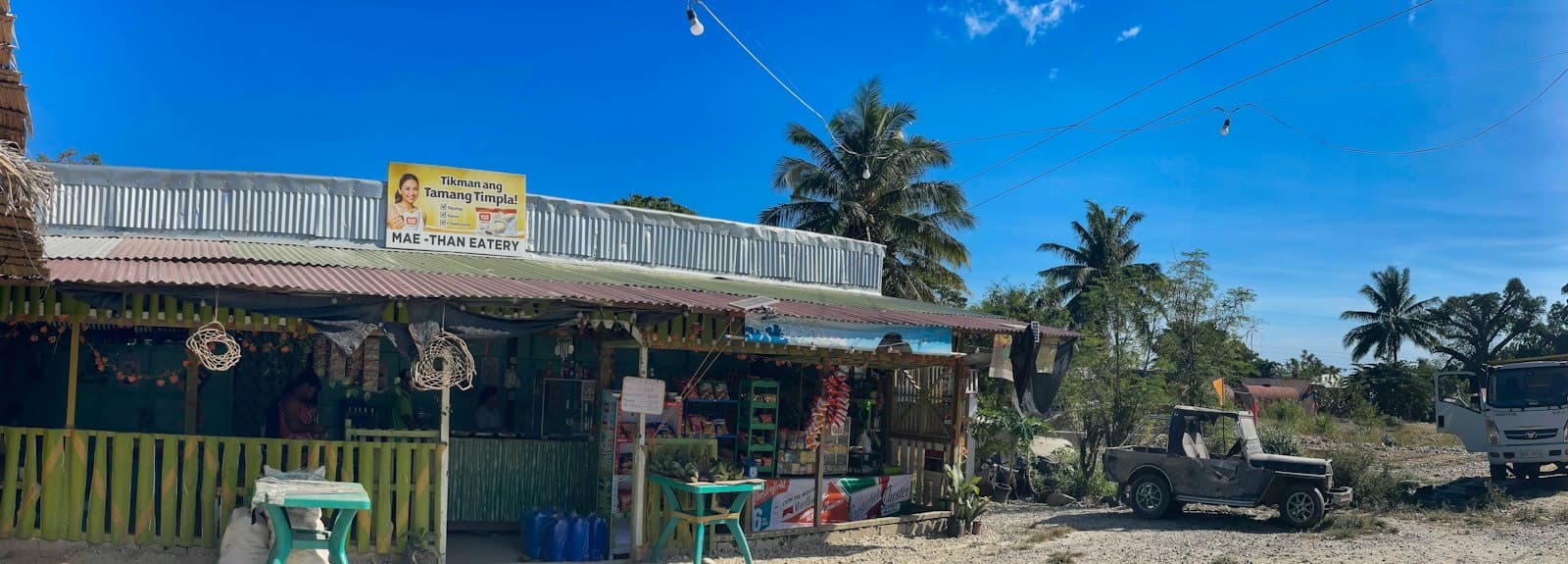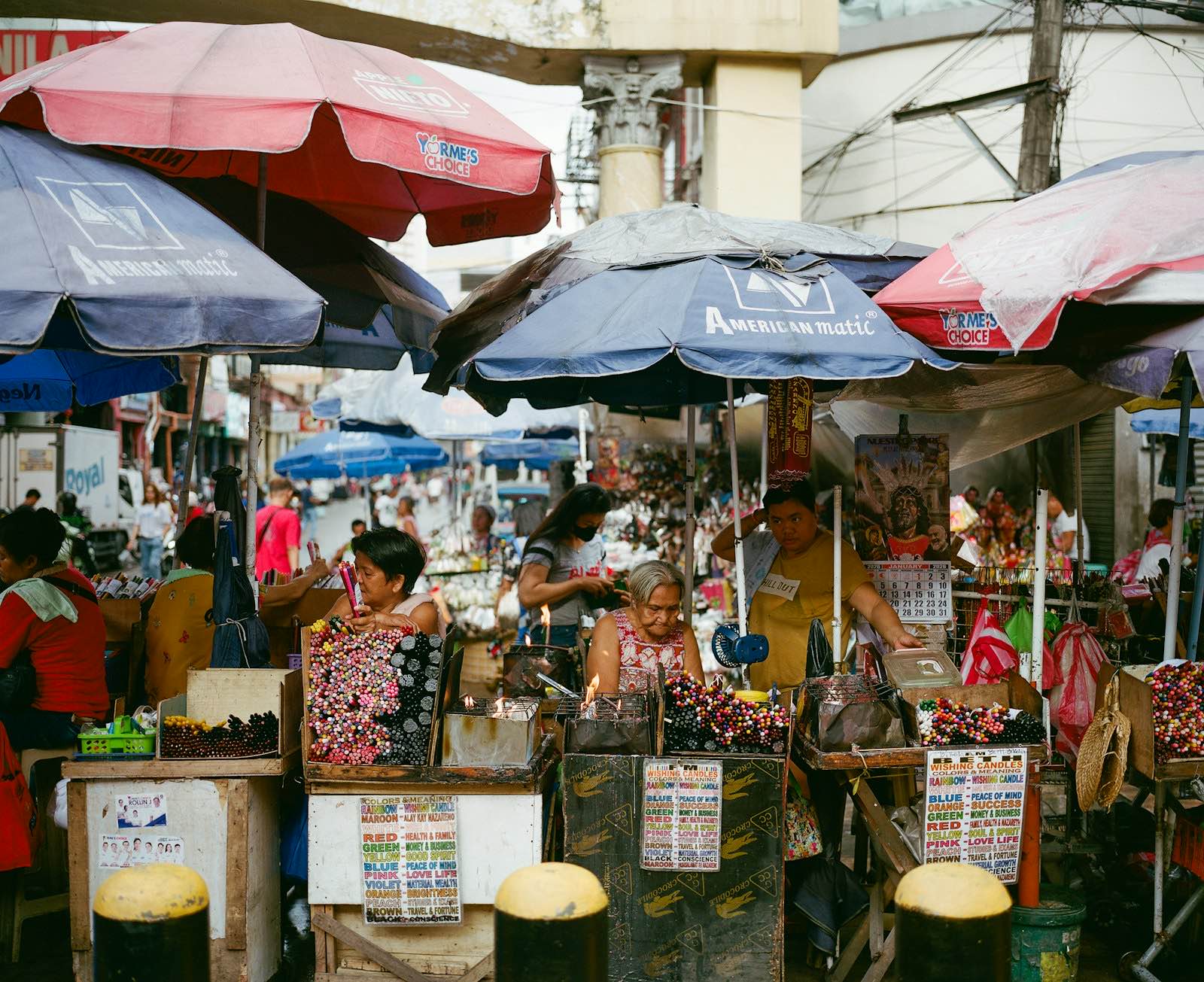
Entrepreneurship in the Philippines is driven by small businesses. According to the DTI's summary of the Philippine Statistics Authority's 2023 List of Establishments, micro, small and medium enterprises (MSMEs) make up about 99.6% of all registered businesses in the country, and micro enterprises alone account for roughly nine in ten. For young Filipinos, that means the most common path into business is not a big corporation but a small, local negosyo: a food stall, a service, a product sold online. The government backs this with laws like the Go Negosyo Act and the Barangay Micro Business Enterprises Act, and with free help at Negosyo Centers.
This guide explains what entrepreneurship looks like in the Philippines today, the support available, and practical first steps for young people in provinces like Capiz.
Why entrepreneurship in the Philippines matters
Small businesses are the backbone of the Philippine economy. The same DTI summary of 2023 PSA data reports that MSMEs generated about two-thirds of the country's jobs. Every sari-sari store, carinderia and repair shop is part of that picture.
For provinces, small business matters even more. When a young person in Roxas City starts a business at home instead of moving to Manila or abroad, the money and the jobs stay in the community. Local negosyo also keeps local products alive: dried fish, seafood, Capiz shell crafts and regional food all depend on small producers.
The Filipino entrepreneur, in many forms
Entrepreneurship here comes in many shapes:
- Necessity entrepreneurs who start a small business to support their family, often with very little capital.
- Side hustlers who keep a job while selling online or offering a service on weekends.
- Growth-minded founders who want to build a brand, hire people and sell beyond their town.
- Social entrepreneurs who build a business around a community need, like livelihood for fisherfolk or women in the barangay.
All four are valid. The skills you need, such as knowing your customer, managing cash and keeping promises, are the same.
Laws that support small businesses
You don't need to be a lawyer, but knowing these laws helps you find support you might otherwise miss.
Go Negosyo Act (Republic Act No. 10644)
Approved on July 15, 2014, the Go Negosyo Act provides for Negosyo Centers in all provinces, cities and municipalities. These centers help MSMEs with business registration, advice, training and access to programs. Most advisory and training services are free. If you are starting out in Capiz, visiting the Negosyo Center or the DTI provincial office is one of the best first moves you can make.
Barangay Micro Business Enterprises (BMBE) Act (Republic Act No. 9178)
The BMBE Act of 2002 supports very small businesses. A business whose total assets, excluding the land it sits on, do not exceed PhP 3 million can apply to be registered as a BMBE. Benefits under the law include exemption from income tax on income from the business's operations. Under the Go Negosyo Act, the Certificate of Authority for BMBEs is issued by the DTI through the Negosyo Center and must be renewed every two years. Rules and requirements can change, so confirm the current process with your Negosyo Center and the BIR before applying.
Lighter tax paperwork
The Ease of Paying Taxes Act (Republic Act No. 11976) removed the PhP 500 annual registration fee that businesses used to pay the BIR every January. It took effect in January 2024. It's a small change, but one less thing for a first-time owner to worry about.
Where to get help and funding
Money is the first worry for most new entrepreneurs, but it is rarely the only gap. Skills, mentors and customers matter just as much. Here are the main places to look:
- Negosyo Centers and DTI provincial offices. Registration help, business advice, training and information on trade fairs and programs.
- Small Business Corporation (SB Corp). A government financial institution linked to the DTI, SB Corp runs lending programs for small businesses. See sbcorp.gov.ph for current programs and eligibility.
- Cooperatives and microfinance institutions. Many lend small amounts to market vendors and home-based businesses, often with simpler requirements than banks.
- TESDA. Short skills courses in areas like food processing, baking, beauty care and repair can turn a skill into a business.
- Local government. Your city or municipal hall may run livelihood programs, trade fairs or pasalubong centers for local products.
- Peer networks. Business groups, chambers and youth organizations like JCI connect you with people who have already made the mistakes you want to avoid.
Be careful with lending apps and informal lenders that charge very high interest. Borrow only what you can repay from business income, not from your family's food budget.
How to start: seven practical steps
- Start with a problem, not a product. What do people around you complain about, or travel far to buy? A good business solves a real, local need.
- Test small before you spend big. Sell a small batch to friends, neighbors or a Facebook group. If people buy again, you have something.
- Know your numbers. Write down your cost per item, your selling price and how many you must sell each month to break even. Keep business money separate from personal money from day one.
- Register properly. Register your business name with DTI, then get your barangay clearance, Mayor's Permit and BIR registration. Our DTI business registration guide walks you through it.
- Use the tools you already have. A phone, a Facebook page and GCash can carry a small business a long way. Good photos and quick replies win customers.
- Build trust. In a small city, word of mouth is everything. Deliver on time, keep quality steady and treat every customer like a suki (a loyal, regular customer).
- Keep learning. Attend trainings, join trade fairs and find a mentor. The best entrepreneurs never stop asking questions.
Challenges Filipino entrepreneurs face
Being honest about the hard parts helps you plan for them:
- Limited capital and credit. Many small businesses start with savings or family loans. Start lean and grow from profits where you can.
- Paperwork. Registration involves several offices. It is easier than it used to be, and Negosyo Centers can help.
- Weather and disasters. In Capiz and across Western Visayas, typhoons and flooding can wipe out stock and equipment. Store inventory safely and keep some emergency cash.
- Competition. Popular ideas fill up fast. Stand out with better quality, better service, or a product built on something only your area has.
- Burnout. Running a business alone is tiring. A support network makes a real difference.
Entrepreneurship in the province: a Capiz view
Roxas City and Capiz have real advantages. The area is known for its seafood, its coastline and its crafts, and it draws visitors for festivals and food. That gives local entrepreneurs room to build businesses around seafood processing, pasalubong, tourism services and local products. See our piece on why Roxas City is called the Seafood Capital of the Philippines for more on that story.
The challenge is reaching buyers beyond the province. Online selling, regional trade fairs and good packaging help local products travel. Working together through cooperatives, associations and networks helps small producers do what none can do alone.
Frequently asked questions
What percentage of businesses in the Philippines are MSMEs?
About 99.6%, based on the DTI's summary of the PSA's 2023 List of Establishments. Micro enterprises make up the largest share by far.
What is a Negosyo Center?
A government office set up under the Go Negosyo Act (RA 10644) to help MSMEs with registration, business advice, training and access to programs. Most of its advisory services are free.
Do small businesses in the Philippines pay income tax?
Generally yes, but a registered Barangay Micro Business Enterprise with assets of PhP 3 million or less can be exempt from income tax on its business operations under RA 9178. Check current rules with the BIR or your Negosyo Center.
Can I start a business while still working or studying?
Yes. Many Filipino entrepreneurs start part-time. Just make sure you still register properly once you are selling regularly.
Grow as an entrepreneur with JCI Roxas Halaran
JCI's mission is to provide development opportunities that empower young people to create positive change, and business skills are part of that. JCI Roxas Halaran is a community of young men aged 18 to 40 in Capiz who learn by doing: leading projects, speaking up and building networks. Our members also run business trainings. In February 2026, during National Training Month, the chapter held Project Launchpad 2.0: Future-Proof, an online business training with talks titled "The Unfair Advantage," "The Founder's Blueprint" and "Working with AI." In August 2026, it co-hosted the Roxas City leg of The Innovators Summit with JCI Roxas Makawiwili: two days of industry talks, innovation workshops and B2B linkages for innovators, MSMEs, startups and students.
Looking for a starting point? Browse our 20 negosyo ideas for the province, then join JCI Roxas Halaran and build your business with people who want to see you succeed.