Araw ng Kagitingan (Day of Valor) is a Philippine regular holiday held every April 9. It honors the Filipino and American soldiers who defended Bataan during World War II and remembers their surrender to Japanese forces on April 9, 1942, followed by the Bataan Death March. It also honors the defenders of Corregidor and all Filipino veterans. The exact observance date each year is set by presidential proclamation.
Here is the story of Bataan, how the holiday came to be, and how Filipinos, young and old, can keep its meaning alive.
What happened in Bataan
Japan attacked the Philippines in December 1941, just hours after the attack on Pearl Harbor. Filipino and American troops, organized as the United States Army Forces in the Far East (USAFFE), fell back to the Bataan Peninsula and the island fortress of Corregidor at the mouth of Manila Bay.
The plan was to hold out until help arrived. It never came. For about three months, the defenders fought on with too little food, medicine and ammunition. Malaria, dysentery and hunger weakened them as much as the fighting did. Many Filipino soldiers were young recruits with little training.
The fall of Bataan
By early April 1942, the defenders could no longer hold. On April 9, 1942, Major General Edward P. King Jr. surrendered the forces on Bataan to the Japanese. It was one of the largest surrenders in American military history. Estimates vary, but around 75,000 soldiers, most of them Filipinos, became prisoners of war.
Corregidor held out for nearly another month before it too fell on May 6, 1942.
The Bataan Death March
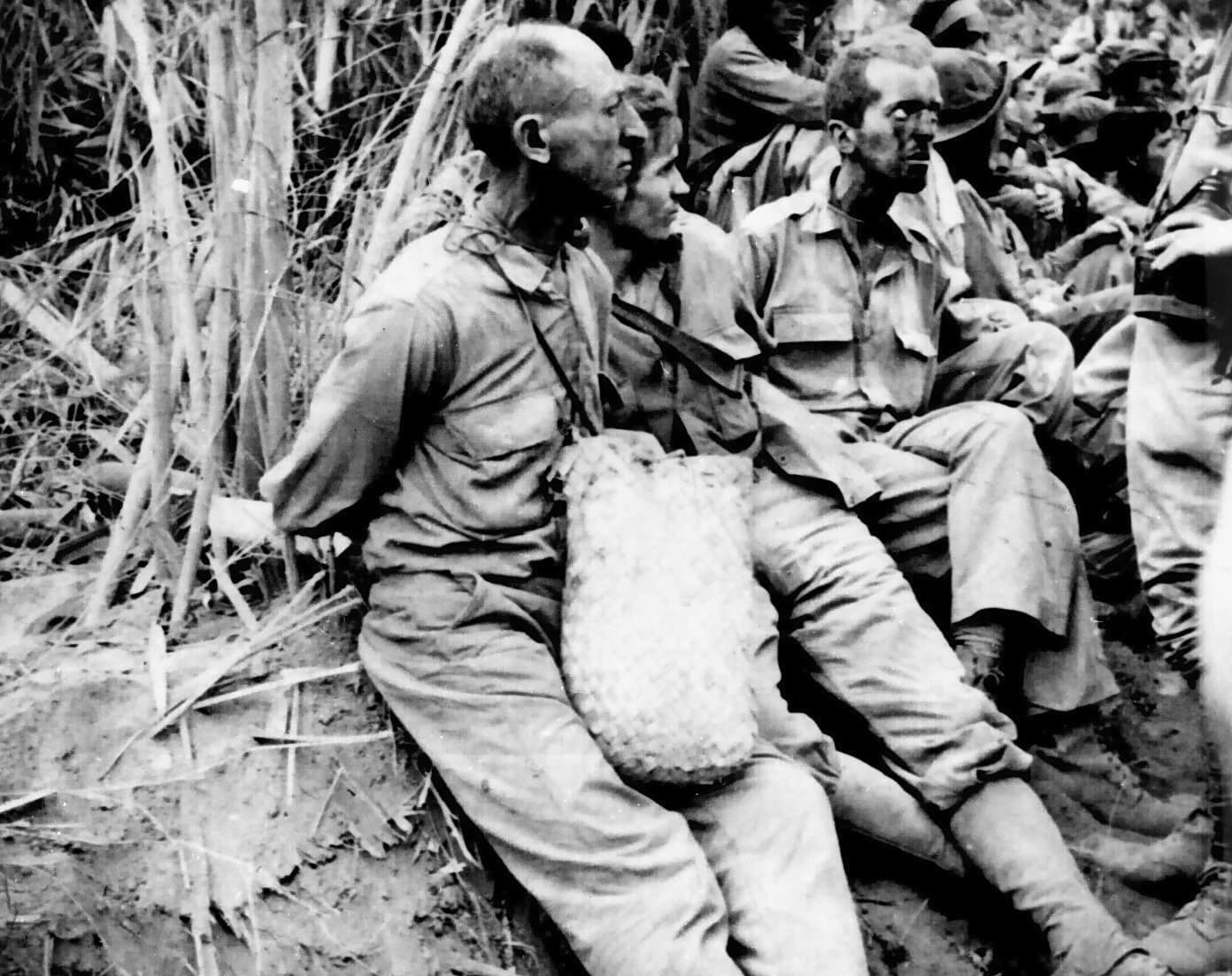
What followed the surrender is remembered as the Bataan Death March. Prisoners were gathered near Mariveles and Bagac in southern Bataan and forced to walk north to San Fernando, Pampanga, under the hot April sun. Many were given little or no food or water. Those who fell behind were often beaten or killed.
From San Fernando, the prisoners were packed into railway boxcars and taken to Capas, Tarlac, then made to walk the last stretch to Camp O'Donnell. Thousands died on the march and thousands more in the camp in the months that followed. Exact numbers are still debated, but the suffering was immense, and Filipinos made up most of the dead.
Along the route, many ordinary Filipino civilians risked their own lives to slip food and water to the marching prisoners. That quiet courage is also part of the story of Araw ng Kagitingan.
Why the defense of Bataan still matters
Bataan was a military defeat, yet Filipinos remember it with pride. Here is why:
- It bought time. The long defense delayed Japan's plans in the region.
- It showed Filipino courage. Filipino soldiers stood and fought beside their American allies until they could fight no more.
- It strengthened the resistance. Survivors and civilians went on to join guerrilla groups across the islands, including in the Visayas, which kept up the fight until liberation.
Capiz has its own link to this history. Manuel Roxas, the Capiz-born leader who later became the first president of the independent Republic, served with USAFFE forces and was on Corregidor in the early months of the war. Learn more in our profile of Manuel Roxas.
How Araw ng Kagitingan became a holiday
The holiday's name and date have changed over the years:
- 1961: Republic Act No. 3022, approved on April 6, 1961, proclaimed April 9 as "Bataan Day" and made it a legal holiday.
- 1980: A Letter of Instruction moved the observance, then called Araw ng Kagitingan, to May 6, the date Corregidor fell.
- 1987: Executive Order No. 203, signed on June 30, 1987, returned the holiday to April 9 and named it "Araw ng Kagitingan (Bataan and Corregidor Day)" as a regular holiday.
- 2007: Republic Act No. 9492 kept it among the regular holidays and allowed its observance to be moved to the nearest Monday by proclamation.
In recent years, the government has generally observed it on April 9 itself. For 2026, Proclamation No. 1006 listed Araw ng Kagitingan as a regular holiday on Thursday, April 9. Always check the current year's proclamation.
How the day is observed
The main national ceremony is usually held at the Dambana ng Kagitingan (Shrine of Valor) on Mount Samat in Pilar, Bataan, where a giant memorial cross overlooks the peninsula. Veterans, their families, government officials and foreign diplomats gather there to lay wreaths. The Capas National Shrine in Tarlac, built on the grounds of Camp O'Donnell, is another place of remembrance.
Across the country, LGUs, schools and the armed forces hold flag ceremonies. For private-sector workers, regular holiday pay rules apply: generally 200% of the daily wage for those who work the first eight hours, and the regular daily wage for those who do not, subject to DOLE's attendance rule. DOLE releases an advisory before each holiday with the exact rules.
Ways to honor Araw ng Kagitingan
- Thank a veteran or their family. Few World War II veterans are still alive, but their children and grandchildren keep their stories. Ask about them, and listen.
- Record family history. Did a lolo or lola live through the war in Capiz? Write down or record their memories before they are lost.
- Visit a memorial. If you travel to Luzon, Mount Samat and the Capas shrine are worth the trip. Closer to home, join your local flag ceremony.
- Serve your community. The civilians who fed the marchers showed that courage can be small and kind. Volunteer for a feeding program, a blood drive or a disaster response team.
- Teach it. If you are a teacher, a youth leader or a parent, tell the story of Bataan in plain words. Kids remember stories more than dates.
Kagitingan for a new generation
Kagitingan is the Filipino word for valor or heroism. In Hiligaynon, we might say kaisog, which means courage or bravery. The soldiers of Bataan were mostly young people, many the same age as today's college students and young professionals.
Valor today does not have to mean a battlefield. It can mean standing up to a bully, as our "Be a Friend, Not a Bully" project encourages. It can mean showing up after a typhoon to help neighbors rebuild. It can mean taking on the hard work of leading a community project. Our typhoon preparedness checklist is one place to start serving your family and barangay.
Frequently asked questions
What does Araw ng Kagitingan mean?
It means "Day of Valor." The holiday honors the bravery of the soldiers who defended Bataan and Corregidor in 1942, and all Filipino veterans.
Is Araw ng Kagitingan a regular holiday?
Yes. It is one of the regular holidays of the Philippines, so regular holiday pay rules apply.
What is the difference between Araw ng Kagitingan and the fall of Corregidor?
Bataan fell on April 9, 1942. Corregidor, the island fortress nearby, fell on May 6, 1942. The holiday on April 9 officially honors both, which is why it was once called "Bataan and Corregidor Day."
How long was the Bataan Death March?
Accounts differ, but the walk from southern Bataan to San Fernando, Pampanga, covered roughly 100 kilometers or more, followed by a train ride and another walk to Camp O'Donnell in Tarlac.
Honor courage with action
Courage can be quiet, too. On April 10, 2025, the day after Araw ng Kagitingan, JCI Roxas Halaran and JCI Roxas Makawiwili hosted Valor in Every Drop, a blood donation drive at Ivisan National High School during JCI Week, with the Philippine Red Cross, the Rotary Club of Pueblo de Panay and the school's alumni association.
The best tribute to the heroes of Bataan is a generation of young Filipinos willing to serve. JCI Roxas Halaran brings together young Capiznon men, aged 18 to 40, to lead projects that make a real difference. Join us or explore our projects.