Capiz is a province on the northeastern coast of Panay Island in Western Visayas, with Roxas City as its capital. Its recorded history begins with the Spanish settlement at the mouth of the Banica River in the town of Panay around 1569–1570, and the province took its present shape in 1956, when Aklan became a separate province. Today Capiz has 16 municipalities and one city, and it is known across the country as the home of the Seafood Capital of the Philippines.
Here is a short, plain-language history of Capiz for students, returning balikbayans and anyone who wants to know the province a little better.
Where the name Capiz comes from
There is no single agreed answer. Two explanations are told most often:
- The shell. Many link the name to kapis, the flat, translucent shell of the windowpane oyster, which grows in local waters and was used for window panes. Read more in our piece on Capiz shells.
- The twins. A popular legend says a local chief's wife gave birth to twins, kapid in the local language, and the Spaniards heard the word as "Capiz."
Treat both as stories passed down rather than settled fact. What is certain is that for centuries the provincial capital town was itself simply called Capiz.
Before the Spanish arrived
People lived along the rivers and shores of northern Panay long before colonization. The Roxas City government notes that local ancestors were already living around its shores before the Spanish came.
Panay's most famous origin story is the Maragtas, which tells of ten datus who sailed from Borneo, bargained with the Ati for land, and settled the island. It is a beloved legend that Panayanons still retell, and it lives on in festivals across the island. Historians, however, treat the Maragtas as folklore rather than a documented record.
Capiz in the Spanish era
In 1569, Spanish forces under Miguel López de Legazpi moved from Cebu to Panay and established a settlement at the mouth of the Banica River. That settlement became the town of Panay, often described as the second Spanish settlement in the Philippines after Cebu.
Key moments over the next three centuries:
- Panay as capital. The town of Panay served as the seat of the province for about two centuries.
- 1693: Capiz town was founded as a visita (satellite village) of Panay, according to the city government.
- 1707: the parish of the Immaculate Conception in Capiz town was founded. The present cathedral church was built in 1872.
- 1716: commonly cited as the year Capiz became its own administrative unit under Spain.
- 1746: Capiz town became the seat of the military government, and the capital shifted from Panay to the coast.
- 1878: the great bell of Santa Monica Church in Panay, the Dakong Lingganay ("big bell"), was cast. The Cultural Center of the Philippines lists it at about 10.4 metric tons, and it is often called the largest church bell in Asia.
Revolution and the American period
When the Philippine Revolution spread to the Visayas in 1898, Capiz joined the fight against Spain and later formed part of the Federal State of the Visayas under the revolutionary government.
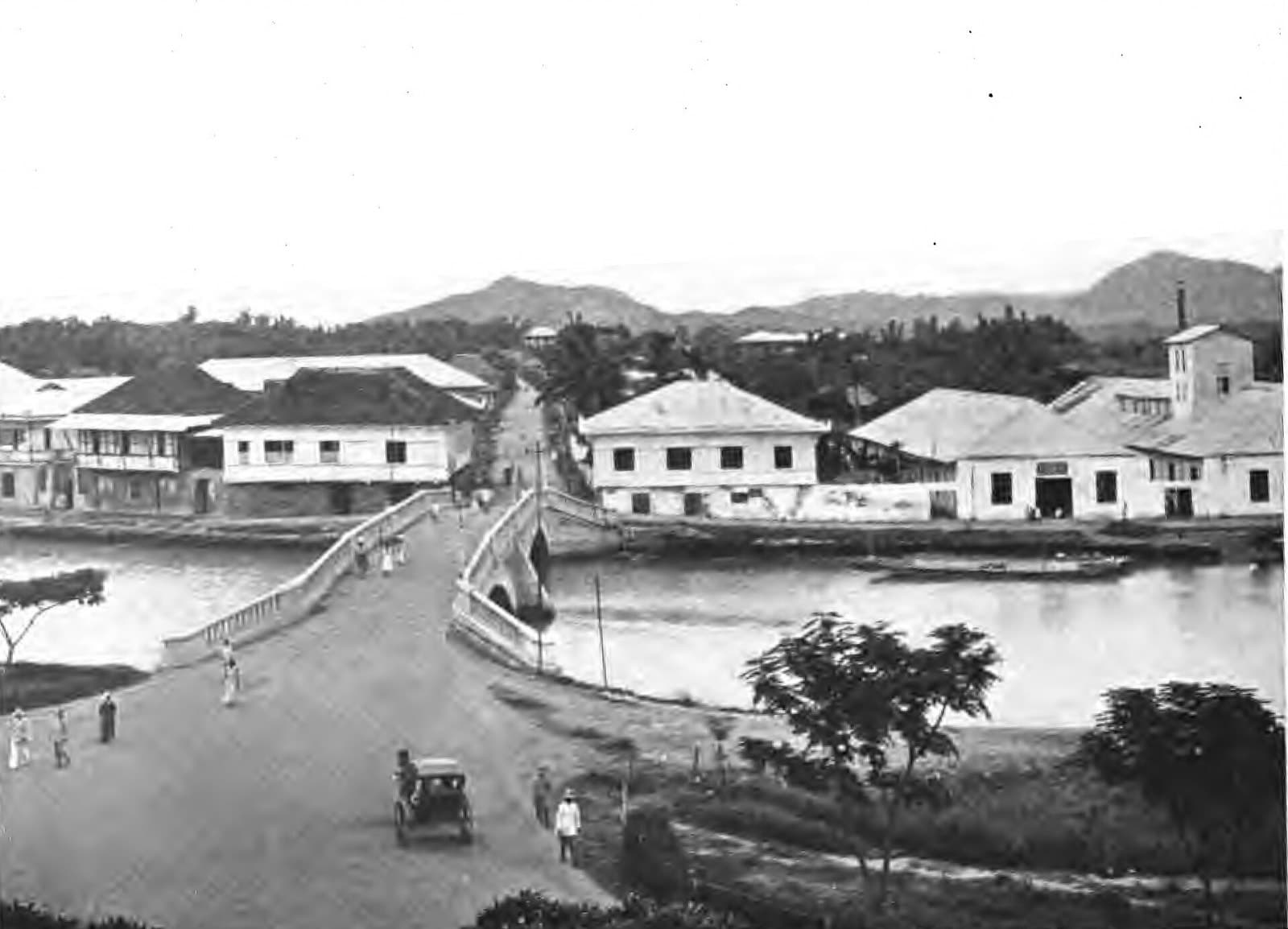
Under American rule, a civil government for Capiz was set up on April 15, 1901. The early 1900s gave Roxas City much of the architecture still standing today:
- Roxas City Bridge (1908–1910), which still crosses the Panay River.
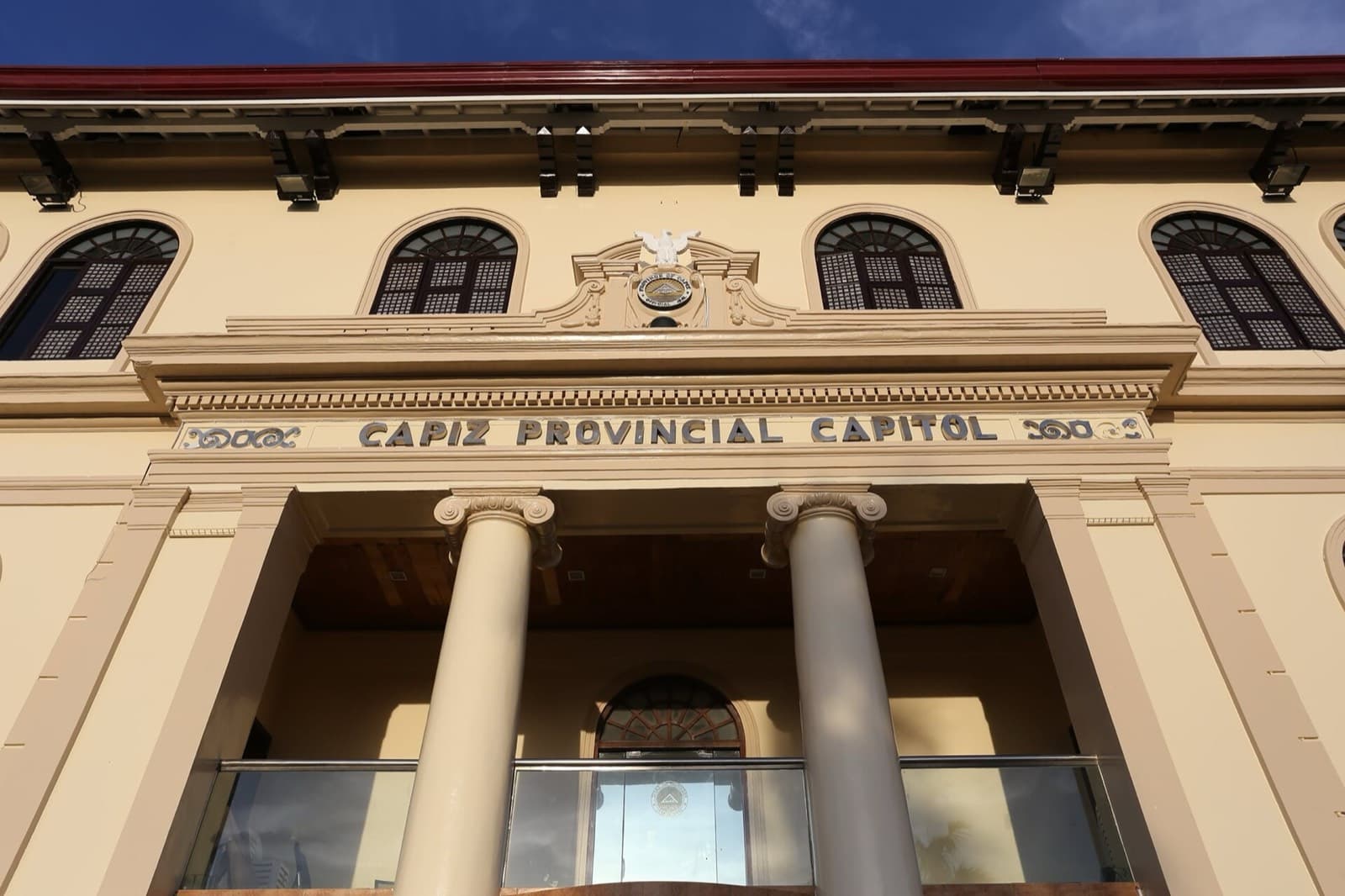
- Capiz Provincial Capitol, rebuilt in concrete in 1911 under Governor Jose Cortez Altavas.
- Jose Rizal Monument (1911), one of the oldest Rizal monuments in the country.
- Water tank (begun 1916), now the Panublion Museum.
- Roxas City Fountain (1925), the city's "kilometer zero."
- Bandstand (1926), long the center of town fiestas.
These landmarks make up the Roxas City Heritage Walk, an easy half-day stroll through the old town.
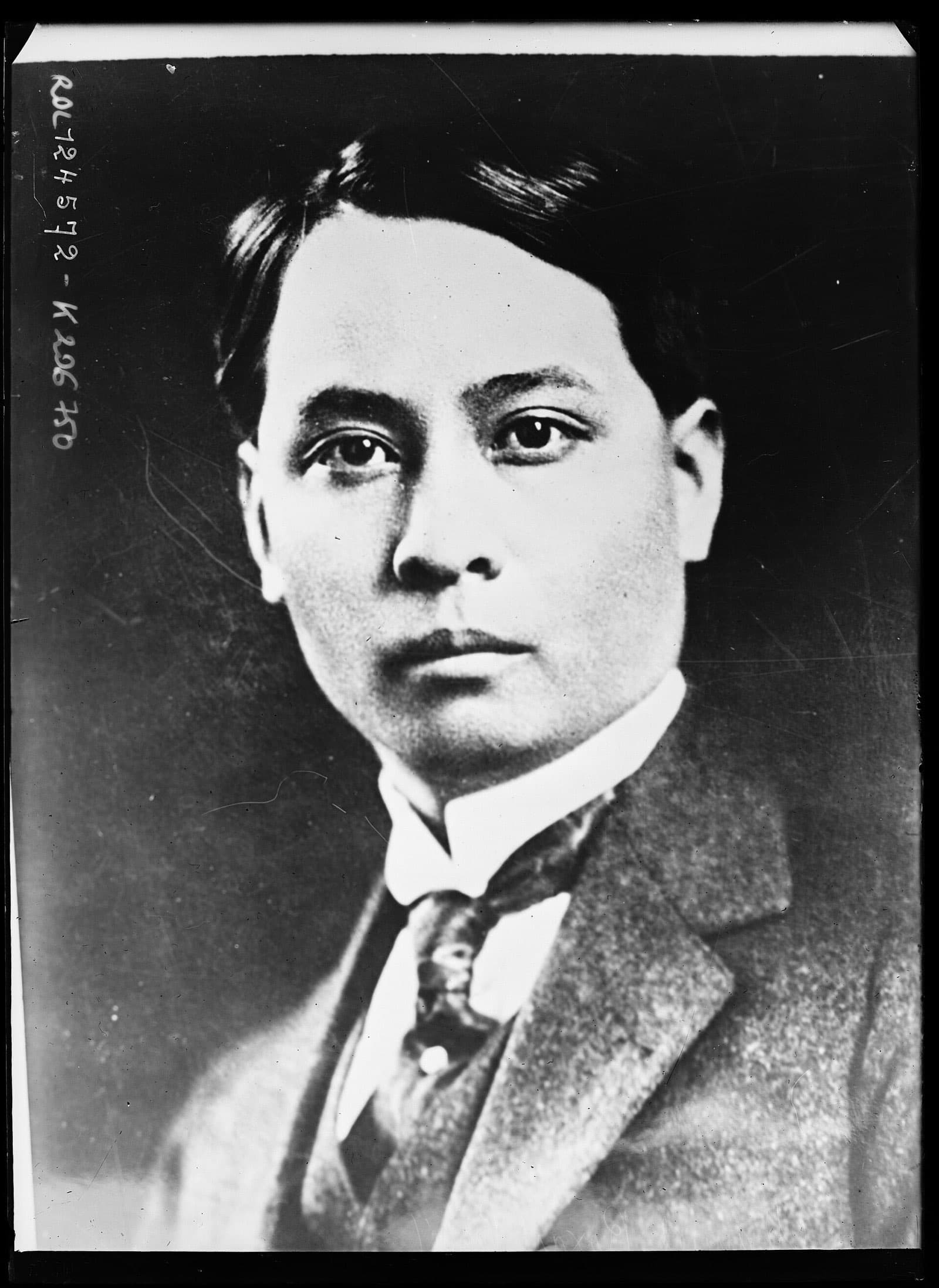
This was also the era when a young lawyer from Capiz town rose to national office. Manuel Roxas served as governor of Capiz from 1919 to 1922 and went on to become president in 1946. Read his full story in Manuel Roxas: the Capiz-born president.
World War II
Japanese forces landed in Capiz in 1942 and occupied the province. The war damaged churches and town centers across Panay, including the Capiz cathedral, and shrapnel struck the town fountain. Local guerrillas kept up resistance until the Japanese were driven out near the end of the war. Many of the heritage structures you see today were repaired or rebuilt after 1945.
Modern Capiz: Roxas City and the Aklan split
Two laws in the 1950s shaped the Capiz of today:
- Roxas City (1951). Republic Act No. 603, dated April 11, 1951, created the City of Roxas out of the municipality of Capiz, honoring President Manuel Roxas. The city government was organized on May 12, 1951, which is still celebrated as the city's charter day.
- Aklan becomes a province (1956). Until then, Capiz covered most of northern Panay. Republic Act No. 1414, approved on April 25, 1956, created the Province of Aklan from 17 western towns, including Kalibo, its capital, and Malay, home of Boracay.
Capiz today
Present-day Capiz in numbers and facts:
- Local government units: 16 municipalities and 1 component city, Roxas City.
- Population: 804,952 in the 2020 Census of Population and Housing, according to the Philippine Statistics Authority, making it the third most populous province in Western Visayas.
- Language: Capiznon, a close relative of Hiligaynon, is spoken widely, alongside Hiligaynon, Filipino and English.
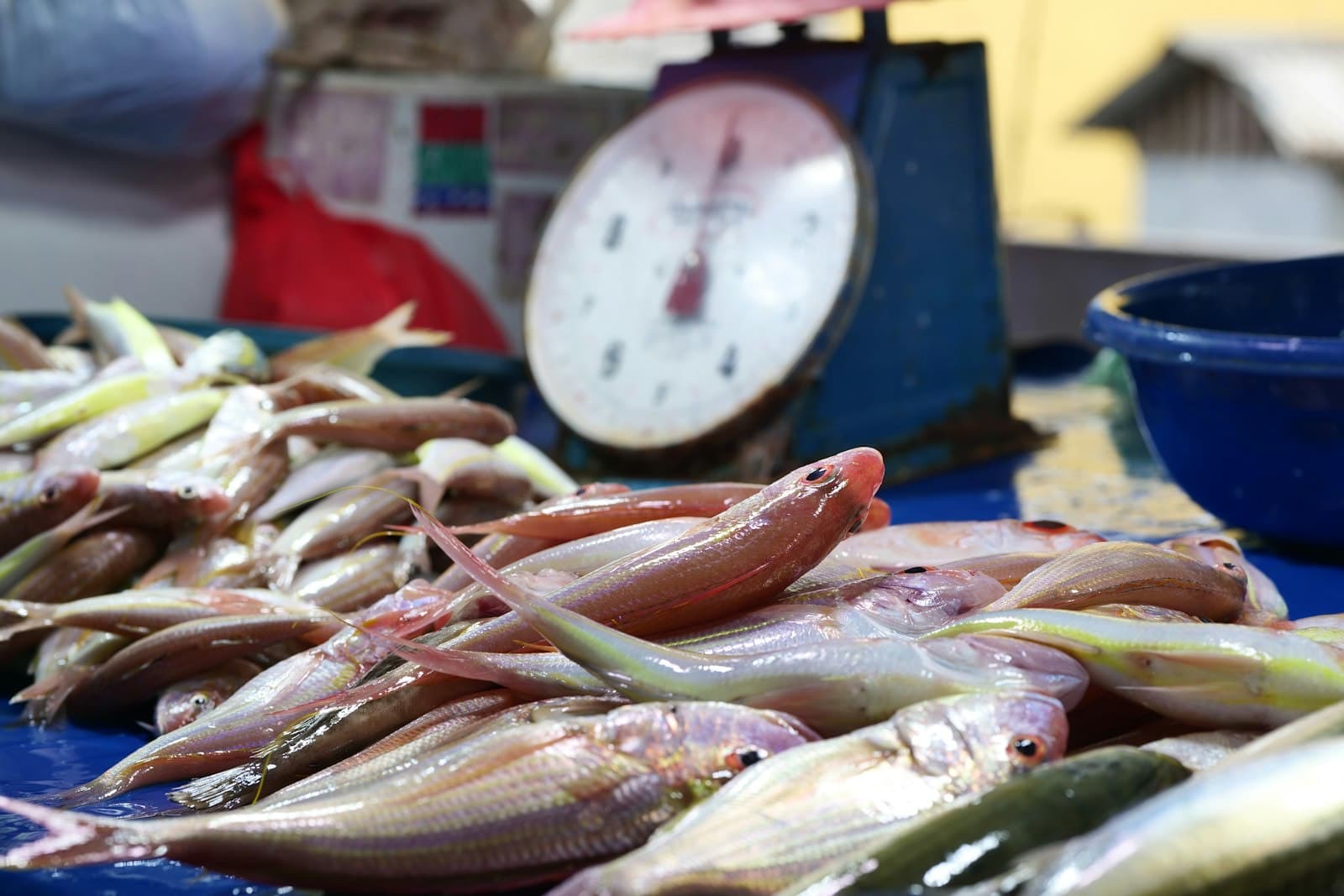
- Economy: fishing, aquaculture, farming and trade. Roxas City's rich catch has earned it the title Seafood Capital of the Philippines.
- Culture: the Sinadya sa Halaran festival each December brings together the city's feast of the Immaculate Conception and a thanksgiving celebration. See our Halaran festival guide.
Frequently asked questions
What is the capital of Capiz?
Roxas City. It was the town of Capiz until Republic Act No. 603 made it a city named after President Manuel Roxas in 1951.
Was Aklan part of Capiz?
Yes. Aklan was part of Capiz until Republic Act No. 1414 created it as a separate province in 1956.
What was the old capital of Capiz?
The town of Panay, site of the early Spanish settlement on the Banica River, served as the provincial seat for about two centuries before the capital moved to Capiz town.
What is Capiz known for?
Seafood, the translucent kapis shell, heritage churches such as Santa Monica in Panay, and the Halaran festival in Roxas City.
Be part of the next chapter
The history of Capiz is still being written, and young Capiznons are writing it. JCI Roxas Halaran brings together men aged 18 to 40 to lead projects for the province. Join the chapter or see our projects.